
Freedom Trail History Small Group Walking Tour
Our top pick. Small groups and guides who know the material cold. One of the highest-rated tours in the city.
Check dates & bookWalk the 2.5 miles where America began
No city in America packs more history into fewer blocks than Boston. In the 1760s and 1770s this small, crowded port town of about 15,000 people argued, protested and finally fought its way toward independence, and nearly every scene of that story is still standing.
The Freedom Trail ties it all together. It was the idea of a local newspaperman, William Schofield, who in 1951 suggested a marked path so visitors could find the city's landmarks on their own. Today a red line of brick and paint runs 2.5 miles from Boston Common to the Bunker Hill Monument, connecting 16 official sites.
You can walk the Freedom Trail on your own, but a good guide changes everything. The stops are close together, and the stories are layered: the meeting house where the Tea Party was planned is a few minutes from the balcony where the Declaration of Independence was first read to Bostonians, which is a few steps from the spot where the Boston Massacre began.
It is also a working city. The trail runs past office towers, pizza shops and people walking their dogs. That mix of old and new is a big part of what makes Boston feel alive rather than preserved behind glass.

Boston Common (1634). The oldest public park in the country. Colonists grazed cows here, and British troops camped here during the occupation of the city.
Old State House and the Boston Massacre site. On March 5, 1770, British soldiers fired into a crowd outside this building, killing five men, including Crispus Attucks. Six years later the Declaration of Independence was read from its balcony.
Old South Meeting House. On December 16, 1773, thousands gathered here to protest the tea tax. That night, colonists disguised as Mohawk warriors dumped 342 chests of tea into the harbor.
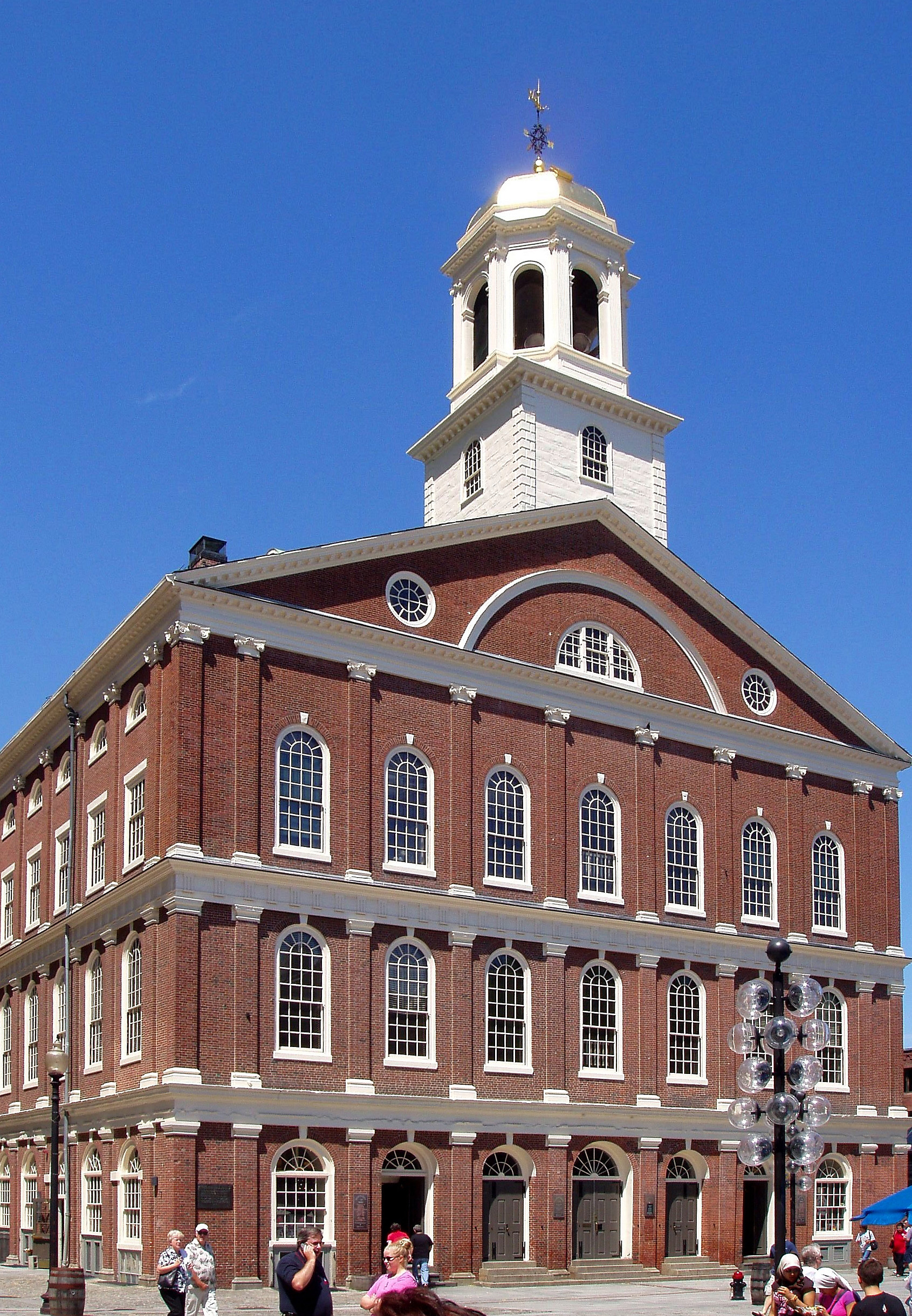
Faneuil Hall (1742). Known as the Cradle of Liberty, it hosted town meetings where Samuel Adams and others argued for resistance. It is still a marketplace and meeting hall today.
Paul Revere House. Built around 1680, it is the oldest house in downtown Boston. Revere left from here on the night of April 18, 1775.
Old North Church (1723). Boston's oldest standing church. Two lanterns hung in its steeple that same night signaled that the British were crossing by sea: one if by land, two if by sea.
USS Constitution and Bunker Hill. Across the river in Charlestown, Old Ironsides, launched in 1797, is the oldest commissioned warship still afloat. Up the hill, a 221-foot granite obelisk marks the Battle of Bunker Hill, fought June 17, 1775.

Boston is in the middle of marking the 250th anniversary of the American Revolution, from the Tea Party and Lexington and Concord through the Declaration of Independence in 1776. Expect special events, reenactments and busier sites, especially around anniversary dates. If you have been meaning to walk the Freedom Trail, there has never been a better time.
Our top pick. Small groups and guides who know the material cold. One of the highest-rated tours in the city.
Check dates & bookA longer, deeper telling of 1760s and 1770s Boston. Great for history lovers and families with older kids.
Check dates & bookLed by a guide in 18th-century dress. Fun for kids and a solid first look at the trail.
Check dates & bookA popular, well-priced option timed to the 250th anniversary.
Check dates & bookHistory with a pint in hand, at taverns where colonists once argued politics.
Check dates & bookSee the highlights without the walking. A good choice for older travelers or a rainy day.
Check dates & book